
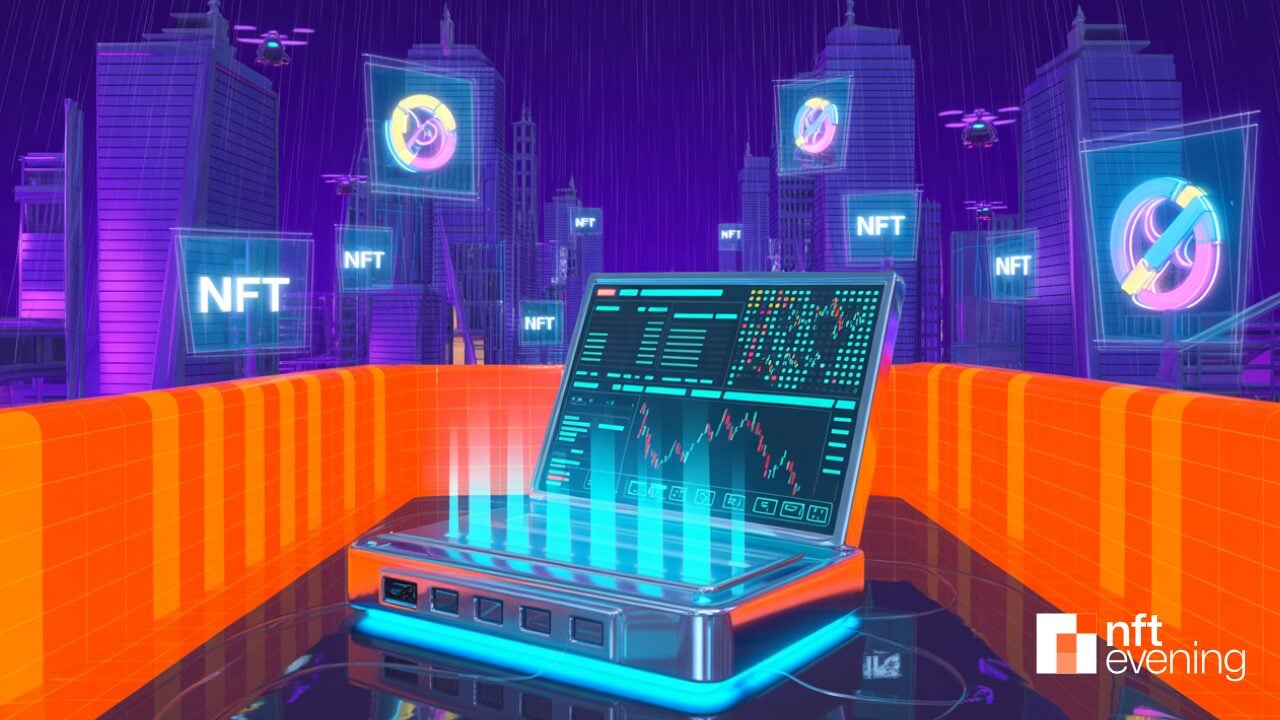
During the initial days of the NFT boom, large tech firms have been stampeding to enter the digital collectables industry. Brands opened marketplaces, collaborated with artists, and invested intensively in Web3 activities. With the buzz at its highest, it was almost a given that big tech would take up the ownership of the next generation of the digital world. However, dozens of high-profile NFT platforms backed by major enterprises have been quietly shut down or scaled back to a minimal level in recent years.
Such shutdowns raise some crucial questions regarding the sustainability of NFT programs led by companies and what these changes can tell the wider industry. This reflection is even more applicable when investors continually monitor variables such as the bitcoin price, which tends to influence the level of enthusiasm towards digital assets in general.
The Coming and Falling of Corporate NFT Platforms
The hype of NFTs went into mainstream news and it appeared to be of universal interest. Cash giants, gaming firms, television personalities, and tech giants joined the market with grandiose offers. For large enterprises, NFTs were a means to expand into new digital economies, tap into new audiences, and participate in a cultural phenomenon characterised by blockchain innovation.
However, between 2024 and 2025, the story began to change. Specific corporate NFT markets experienced a significant decline. Some were in the shadow of more nimble rivals, or were unable to retain users once launched. Numerous large tech NFT initiatives were cancelled, often silently, and, in some cases, with a public rationale of their shifts to other digital directions. Despite the varied contexts of every shutdown, some common themes persist throughout the industry.
Misaligned Expectations Between Corporations and Users
The lack of alignment between corporate objectives and user expectations can be considered one of the primary reasons why big tech NFT initiatives have failed. Many companies regarded NFTs as a continuation of a brand or a new source of monetisation. They created platforms that focused on controlled ecosystems, curated content or brand-based experiences.
Nevertheless, the NFT community appreciates decentralisation, open ownership, and the freedom to trade assets between platforms freely. Marketplaces in the corporate world that were restrictive or lacked interoperability did not appeal to the core Web3 users. What is more problematic is that specific platforms require users to go through a complicated onboarding process, which negates the idea of owning something digital.
Consequently, business portals would tend to receive interested visitors during an opening, but could not sustain them. Unless there was long-term community involvement or persuasive usefulness, user participation dwindled.
Absence of Long-Term Vision and Real Utility
The second similar problem was the absence of a long-term roadmap. A vast number of corporate NFT projects were introduced during the hype cycle, driven by a desire to be left behind rather than a genuine belief in their value. Once the initial buzz died down, these platforms struggled to explain why people should continue coming back.
Furthermore, the NFT market has already developed rapidly, no longer being speculative collectables but those that serve a purpose. The new successful projects provide advantages in the form of membership, gaming options, virtual identity, or even real-life rewards. Big tech platforms that focused solely on digital art were often left behind, as they struggled to evolve their offerings to meet the changing needs of consumers.
Corporate Caution, Risk, and Compliance
Big tech companies exist under the firm control of the regulators. As governments began to examine the legal and financial implications of NFTs, including securities issues, consumer protection concerns, and intellectual property risks, corporations became increasingly concerned.
Moreover, operating an NFT marketplace is a more complex process than it may seem at first. The problem of stolen paintings, fake sales, unstable prices, and unclear tax systems poses a threat to both the company and its users. Numerous companies concluded that their NFT platform needed additional legal and compliance resources, which are not worth the projected revenue.
Such a conservative stance is in stark contrast to the independent Web3 developers, who are usually eager to move quickly and iterate. Corporate caution, though empathetic, may kill innovation.
NFT Market Cycles and Shifts in User Interest
The market circumstances were also significant. With NFT trading experiencing a downturn across the industry, even successful platforms have seen a decline in trading activity. Hypes around collectables subsided, giving way to utility tokens, tokenisation of real-world assets, and gaming NFTs. Those companies that had placed excessive emphasis on the art or collectable business suffered most.
Additionally, there was a shift in user interest towards decentralised and community-based ecosystems. Those platforms which did not generate community loyalty or provide a unique value over brand recognition found it challenging to stay relevant.
The Lessons Moving Forward
The closure of large tech NFT projects is not an indicator of the death of NFTs. Instead, it carries valuable lessons for companies and developers.
First, authenticity matters. Consumers can sense when companies prioritise a purely profit-driven approach over genuine engagement. Effective NFT programs require regular communication, community engagement, and clear articulation of intentions.
Second, utility must be prioritised. The upcoming NFT consumer usage will be centred on access passes, identity layers, in-game owned assets, and tokenised real-life objects. Firms which are innovative in such aspects will be more established.
Third, it needs to be decentralised and interoperable. Users desire NFTs that are interoperable and can cross ecosystems, retain value, and be integrated with various platforms. Digital assets cannot achieve their full potential in closed corporate settings.
Lastly, it is essential to be patient and look at the long term. NFT markets are cyclical, and no serious adoption can be achieved with a temporary marketing campaign.
